Wednesday, March 27, 2024

DON'T Eat Here in Rome

 When in Rome, you might assume that all the food is good. That is not true. A lot of places make money off selling mediocre food in crowded areas. 

As a rule of thumb, 

1. Walk at least 10 minutes away from the closest tourist attraction before eating.

2. If the soda is 5 Euros or more, then the restaurant is scamming you. 

3. Look at the menu beforehand. 


Specifically, don't eat at these restaurants:

LIÒN Restaurant 

Honestly, don't eat anywhere in Italy with an American name. When a group of student suggested we go here, I didn't say anything because it was one of our first few nights in Rome, but I was suspicious. The picture below is of their "Margherita Pizza." Although, i don't really know if I can call that pizza. IT was more like cardboard with tomato sauce and a sprinkling of cheese. I don't think I need to explain the pizza anymore if you just take a loot at the picture. Another red flag at this restaurant should have been that no one else was eating there. 


Osteria da Fortunata

If you see a lady in a window rolling dough for pasta, RUN! You might think "oMG thEy makE it FRESH here!". No, they just try to make you think that it is fresh and authentic. For some reason, people do recommend it on TikTok often, but if you dive deeper into the reviews, you will not want to come here. Again, someone in the group wanted to go here early on in the trip, and no one wanted to say anything. When I looked at the menu, the pasta was about 20 Euros for a small-medium plate, which is an absurd price, especially considering the quality. We had a group of girls and a group of guys sitting at different tables. The group of girls were smarter than us, and the four of them split an order of pasta and got wine. 


Bibliothè Indian Restaurant

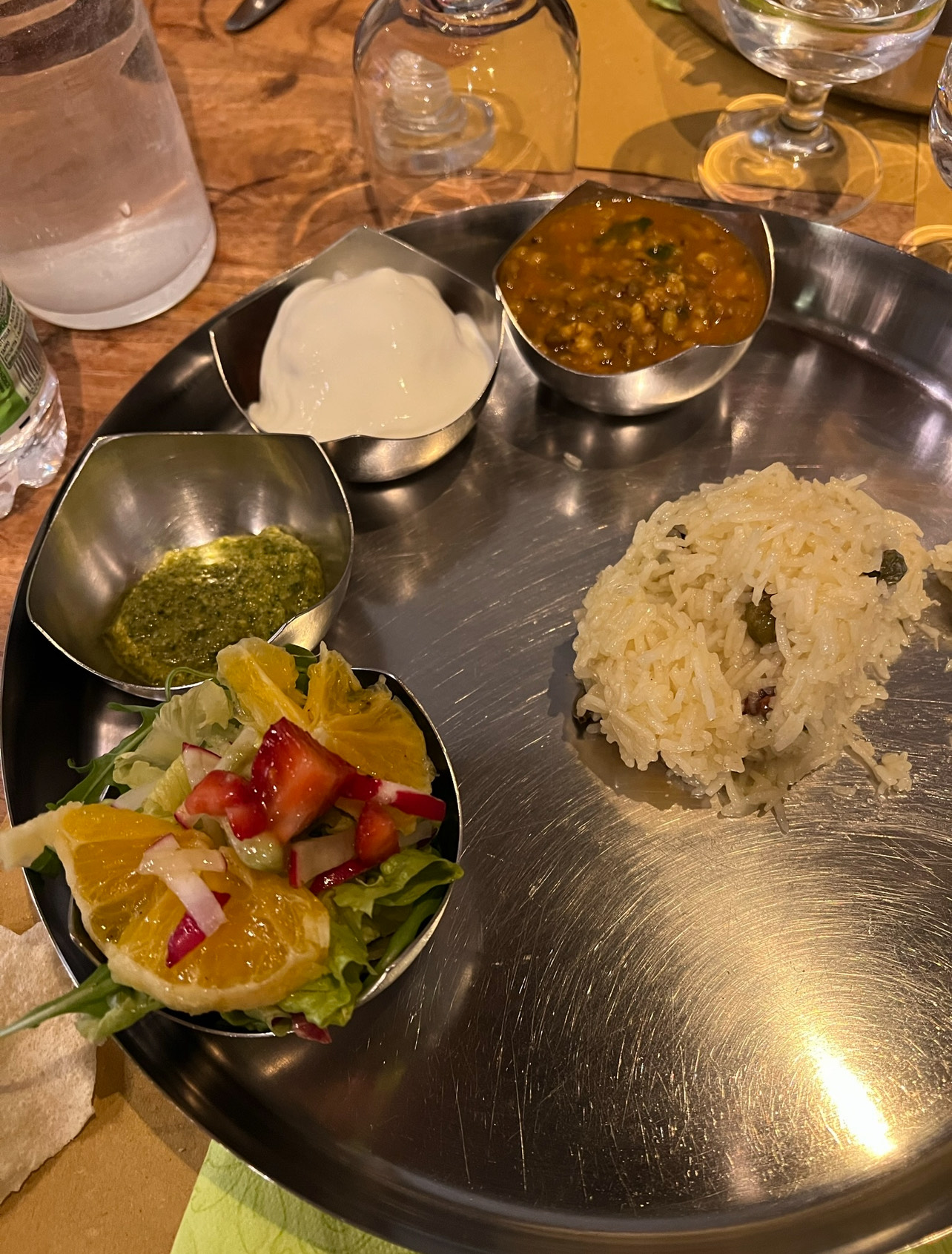
Two girls in my class and I wanted to try a different style of food because we were getting sick of overpriced pasta and tourist pizza. We decided an Indian restaurant would be a good idea because we could get some chicken and something different. Well, we had a hard time finding the Indian restaurant we looked up online, and Bibliothè was just around the corner. We stopped here, and after sitting down and getting water, we realized that it was a vegetarian restaurant, which was fine, but not what we were wanting. The plates of food were 23 Euros each, so we just split two plates around the three of us. We considered getting up and leaving, but we had already ordered the food. The food came and below is the serving for 23 Euros. We were disappointed, and after this we went to an American-style dessert place to make up for it. 


In conclusion, be smart about where you go to eat. You will save a lot of money and have a better experience. You will run into a few not-so-good restaurants but the majority of the ones you encounter will be good. I recommend trying something different every meal. You want to get the most out of your time and food in any country!


Wednesday, March 20, 2024

Transportation in India: Driving

 Driving in India

Making your way around any new city or country can be intimidating. At some point, you will find yourself in a car, whether it is a taxi, bus, or rental car. In India, this is no different. Here are a few things you would want to be familiar with if you plan on driving in India:

Lanes don't always exist
In busier areas, such as Chandni Chowk in Old Delhi, you aren't going to see clear lanes that guide where you go. Especially at turns, it is a fend-for-yourself type of drive. The turns in congested areas can block up easily, and it almost looks like a puzzle that is how intermixed the cars are. Luckily, guards will help clear the traffic, but it can take 20+ minutes especially if you are in a tour bus or larger vehicle. However, traffic normally moves in a steady manner, and you don't find yourself at many dead stops besides at busy turns. 


Honking is encouraged
In America, people do not liked to be honked at, and you don't see people honking often unless they are about to be hit. However, in large Indian cities, you will hear almost constant honking, which does help push people through and guide the cars quicker. Honking is also a nice way to let people know that you are coming through. Honking is good for pedestrians because you can't always see a motorcycle, for example, when crossing if it is in a blind spot, but you will hear the honk. 


Tuk-tuk is the fastest way around
If you want to go for a quick bite, then you can call for a Tuk Tuk on the side of the street, or if you want to know the price beforehand then you can download the Uber app and order one. This applies mostly to large cities like Delhi, Bangalore, and Chennai, but I would still recommend having the app even in smaller cities. The Tuk Tuks are the small yellow and green mini cars driving around. These cars can swerve past the traffic to get around. They don't normally have doors, which makes it easy to get in and out of quickly, and although small, you can fit up to 4 people in one. Our tour guide shared the front seat with the driver while me and two other students squeezed into the back seat. 


Vehicles aren't the only way to drive around
If you find yourself in a more secluded neighborhood, then you might also find a camel or other animal that can take you where you need to be. Below is a picture of a camel driving six passengers to the Taj Mahal. You can also see a guard who helps conduct traffic. 


Overall, don't let the driving style of a city deter you from visiting. Even the most hectic roads are manageable, and they are worth the new experience!